
Guides2 min read
Five Ways to Calm Your Nerves Before Public Speaking
Practical, low-effort techniques - drawn from what we actually teach in Eduzone's Public Speaking Workshop - for the ten minutes before you stand up to speak.
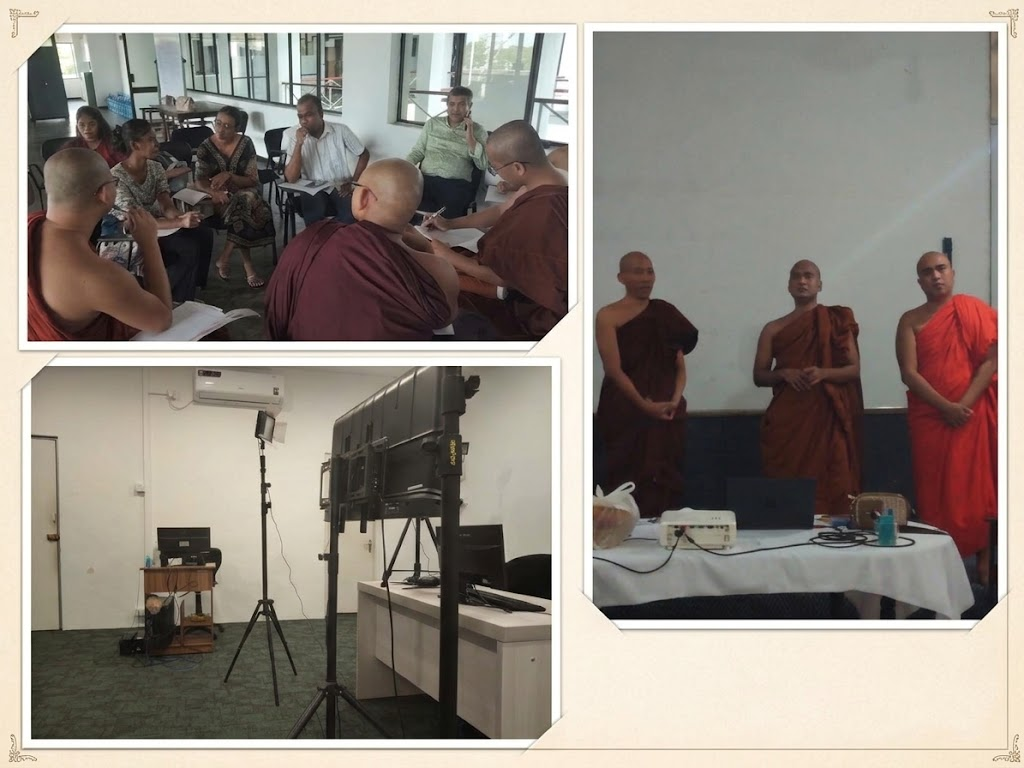
Almost everyone who walks into Eduzone's Public Speaking Workshop for the first time says some version of the same thing: “I know what I want to say, I just don't trust myself to say it well.” Nerves are not a sign you are unprepared. They are a sign you care about doing it well. Here is what we actually teach participants to do with that energy in the ten minutes before they speak.
1. Slow your exhale, not your inhale
A racing heartbeat before speaking is your body preparing for effort, not a warning sign. The fastest way to signal safety back to your nervous system is a longer exhale than inhale - in for a count of four, out for a count of six, repeated four or five times.
2. Say your opening line out loud, once, beforehand
The first fifteen seconds are almost always the hardest. Say your opening sentence out loud once, in the room or just outside it, before you begin for real. Your mouth and your memory both perform better the second time they do anything.
3. Plant your feet, then forget them
Shifting your weight from foot to foot reads as nervousness even when you no longer feel especially nervous. Stand with your weight even on both feet, take one breath, and then stop thinking about your feet entirely - the goal is a stable base you set once, not something to monitor while you talk.
4. Give your hands a job
Hands that have nothing to do tend to find something distracting - a pen, a hem, a phone. Hold your notes, or simply let your arms rest at your sides between gestures. A hand with a clear, occasional purpose looks confident. A hand with no purpose looks for one.
5. Choose one face
Scanning a whole room while speaking often reads as scanning for an exit. Pick one friendly face for your opening line, then widen out gradually as you settle in. It gives you an anchor point for exactly the moment you need one most.
None of this replaces practice, and none of it is a substitute for knowing your material. But on the day itself, these are the five things worth remembering when your mind is otherwise occupied with everything you are about to say.
Eduzone programmes are free to attend. See what is on offer, or apply.
More from Eduzone
Insights
Announcements
Eduzone Student Completion Ceremony 2026
· 1 min read